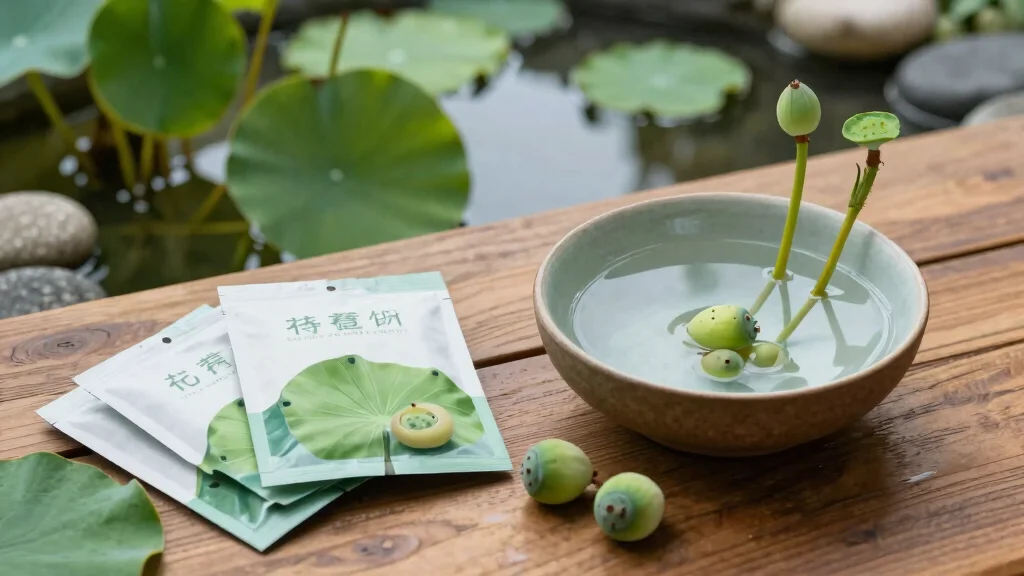
Growing a water garden can be one of the most fulfilling hobbies for those who appreciate nature’s beauty. As the seasons change, the vibrant colors of aquatic plants can transform your small outdoor space into a peaceful oasis. This brings me to why I decided to create this post: I want to share my passion for growing lotus seeds. These remarkable plants are more than just pretty flowers; they bring a sense of tranquility and beauty to your garden. If you’re looking to add a touch of elegance and serenity to your small garden or pond, you’ve come to the right place.
If you love gardening and want to explore aquatic plants, this guide is tailor-made for you. Whether you’re a seasoned gardener or just beginning your journey into aquatic gardening, understanding how to cultivate lotus seeds can elevate your gardening game. In this post, you will find seven practical ideas to successfully grow and care for lotus seeds in containers. You’ll discover the right containers, the best preparation techniques for seeds, timing for planting, water care, and much more, all designed to help you cultivate your own beautiful lotus garden.
With these insights, you’ll be ready to unlock the potential of your water garden. Get ready to learn how to nurture these stunning plants from seed to bloom. Your dream of having a flourishing lotus garden can soon become a reality!
Key Takeaways
– Choosing the Right Container: The type of container you select is crucial for the growth of your lotus seeds. Make sure it has adequate depth and drainage.
– Preparing the Seeds: Properly preparing your lotus seeds will significantly increase your chances of successful germination. This includes scarification and soaking techniques.
– Ideal Planting Time: Timing is everything when it comes to planting lotus seeds. Aim for late spring or early summer when temperatures are warm.
– Water Care: Maintaining the right water quality and level is essential for thriving lotus plants. Regularly check for cleanliness and ensure the water is warm enough.
– Seasonal Care: Preparing your lotus plants for the changing seasons helps ensure their health year-round. Learn how to transition your plants effectively for fall and winter.
Recommended Products

🌸 Premium Lotus Seeds (30 PCS) Each package includes 30 carefully selected lotus seeds for water planting. Suitable for home gardeners looking to grow lotus plants in ponds, bowls, or indoor water gardens.

Vibrant & Colorful Blooms: Enjoy a stunning mix of pink, red, and purple lotus flowers, perfect for adding an exotic touch to your garden, pond, or water feature

[Aquatic Container Plant] Grows well in bowls, barrels, and small water features. Leaves rise above water surface on sturdy stems. Suitable for patios, balconies, and tabletop displays. Thrives in still, clean water.
1. Choose the Right Container: The Foundation of Your Lotus Garden
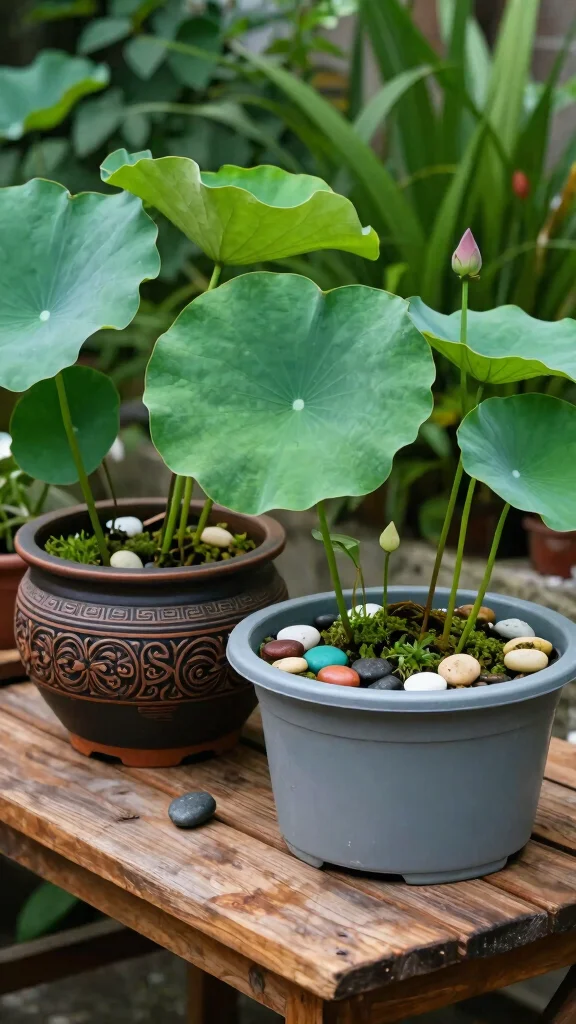
Finding the perfect container for your lotus plants is crucial to their growth and beauty. Look for a container that is both deep and wide, ideally between 12 to 18 inches, to accommodate their extensive root system. Choosing materials like ceramic, plastic, or fiberglass ensures durability and weather resistance, while adequate drainage holes prevent water from accumulating and harming your plants.
Think about these factors when selecting your container:
– Size Matters: Larger containers encourage expansive root growth, while smaller ones may limit development.
– Weight: Opt for heavier containers to prevent tipping in windy conditions.
– Aesthetic Appeal: Choose designs that match your garden style, enhancing the overall look of your water garden.
A well-chosen container is the foundation of a thriving lotus garden, setting the stage for stunning blooms and lush greenery.
Choose the Right Container: The Foundation of Y…
Editor’s Choice

7.3 Inch Succulent Planters Pots Shallow Ceramic Glazed Planter Pots, Lo…


Laguna Lily Planting Tub, 19-1/2-Inch, 9-Gallon

Cambro 4.75 Gallon Polycarbonate Food Storage Camwear Box
2. Preparing the Seeds: Unlocking Nature’s Potential
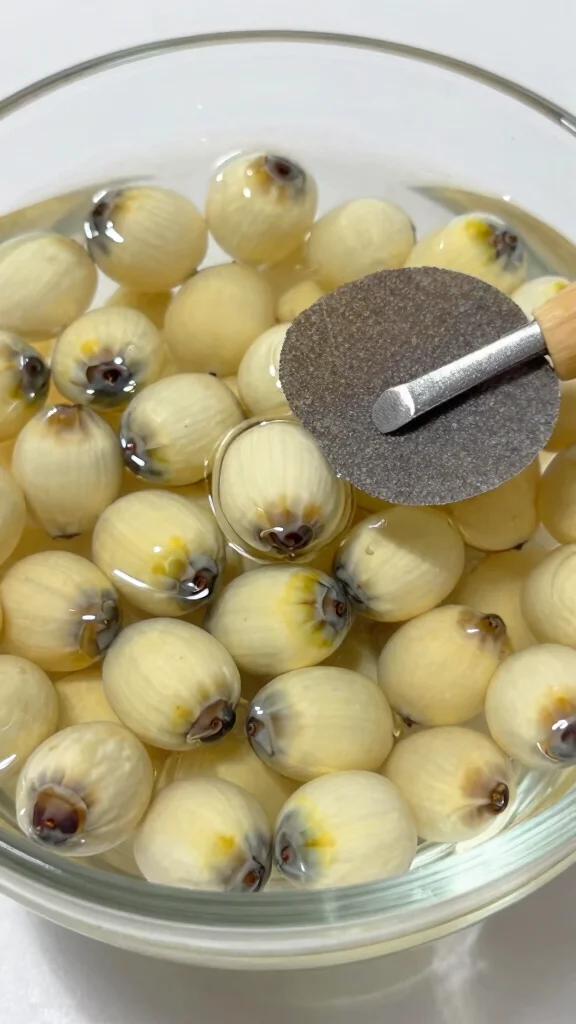
Properly preparing your lotus seeds is a key step in ensuring their successful growth. Start by soaking the seeds in warm water for 24 to 48 hours to soften their tough outer shell and kickstart the germination process. After soaking, gently file or scratch the seed coat with a knife or sandpaper to expose the inner flesh, giving them the best chance to sprout.
Keep these tips in mind during seed preparation:
– Monitor Water Temperature: Use warm water, but avoid boiling, to protect the seeds.
– Be Gentle: When filing the seeds, take care not to damage the delicate interior.
– Observe: After soaking, look for signs of swelling or cracking, indicating they are ready for planting.
This careful preparation leads to robust seedlings that will thrive beautifully in your water garden.
Recommended Products

【No Bitter Taste】We guarantee a pure, sweet flavor by having our experts manually remove the bitter core from every single seed. Unlike machine sorting, this meticulous manual process ensures virtually all seeds of your jar is completely free of bitter aftertaste.

【No Bitter Taste】We guarantee a pure, sweet flavor by having our experts manually remove the bitter core from every single seed. Unlike machine sorting, this meticulous manual process ensures virtually all seeds of your jar is completely free of bitter aftertaste.

Stunning Flowers and Lily Pads are very attractive. Good habitat for fish.
Preparing the Seeds: Unlocking Nature’s Potential
Editor’s Choice

PERWIN Hori Hori Garden Knife, Garden Tools with Sheath for Weeding, Pla…

3M Sandpaper, 220 Grit, 5 Sheets, 9 in x 11 in, Sands Paint, Wood & Meta…

3. Ideal Planting Time: Timing Your Lotus Seeds for Success
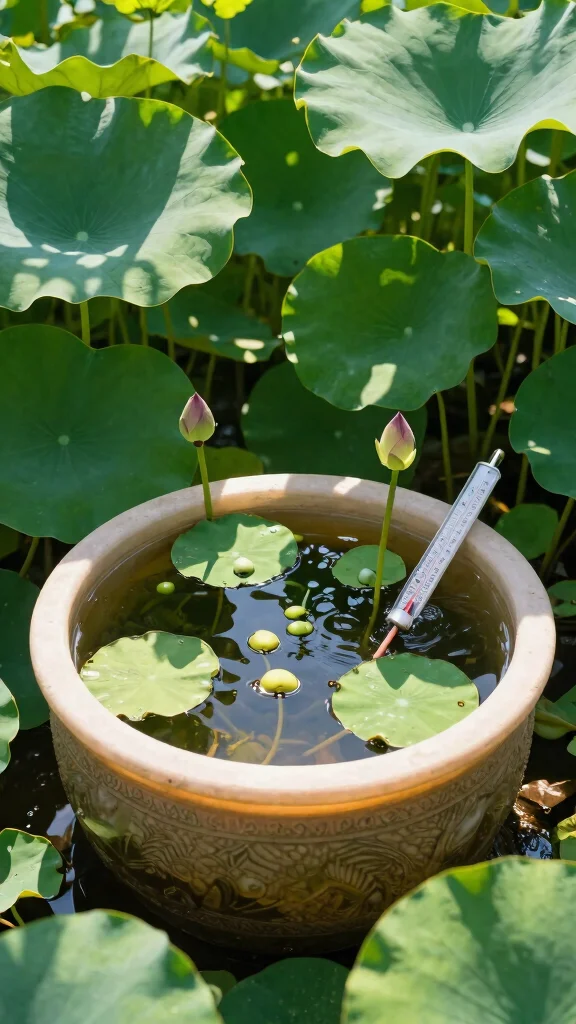
Timing your planting is crucial for the success of your lotus seeds. Aim to plant them in late spring or early summer when the water temperature consistently exceeds 70°F (21°C). This warmth activates the seeds, promoting rapid growth. If you live in a cooler climate, consider starting your seeds indoors under grow lights for an earlier start.
Here are some helpful planting tips:
– Check Soil Temperature: Use a thermometer to confirm the water is warm enough for planting.
– Plant Depth: Ensure the seeds are about three inches deep in the soil for stability.
– Environmental Conditions: Place your container in a sunny location to ensure your lotus receives ample light throughout the day.
With the right timing, you can witness the enchanting growth of your lotus plants.
Fun fact: Lotus seeds germinate fastest when water stays above 70°F, often sprouting in about 7–14 days. Timing your planting this way gives you quicker blooms and healthier starts.
📹 Related Video: How To Grow Lotus Plant | FULL INFORMATION
Ideal Planting Time: Timing Your Lotus Seeds fo…
Editor’s Choice

GooingTop LED Grow Light,6000K Full Spectrum Clip Plant Growing Lamp wit…

Taylor Soil Testing Thermometer, Gardening Tool for Plant Care, Gardenin…

Freshwater Aquarium Decor, Easy Growing Dwarf Carpet for Fish Tank/Terra…
4. Water Care: Essential for Thriving Lotus Plants
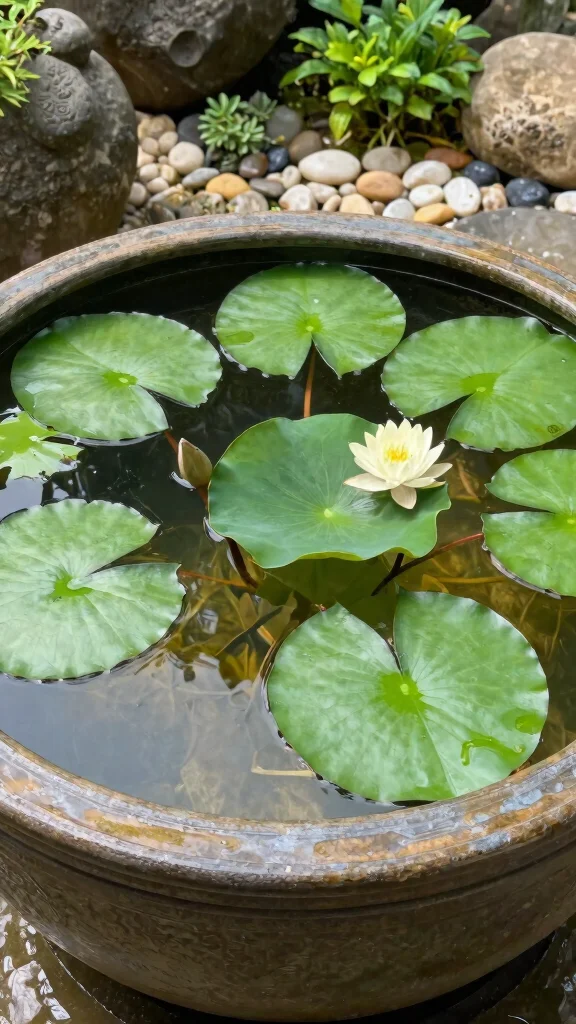
Water quality is vital for the thriving health of your lotus plants. They prefer clean, still water, so avoid using chlorinated sources whenever you can. Regularly changing the water helps maintain cleanliness and supplies fresh nutrients.
Here are some tips for optimal water care:
– Water Changes: Replace about 25% of the water weekly to keep it fresh.
– Water Level: Keep an eye on the water level, especially during hot weather, and refill as necessary to maintain the recommended depth.
– Pond Maintenance: Regularly remove debris or dead leaves from the water to prevent harmful bacteria from developing.
By focusing on water quality, you’ll create a thriving environment for your lotus plants to flourish.
Fun fact: lotus seed plants thrive when you refresh about 25% of the water weekly. Use clean, still water and avoid chlorinated sources—regular changes keep nutrients fresh, helping your lotus seed flourish in small spaces.
Recommended Products

Made for Water-Grown Plants – Formulated to support healthy growth in plants grown directly in water.
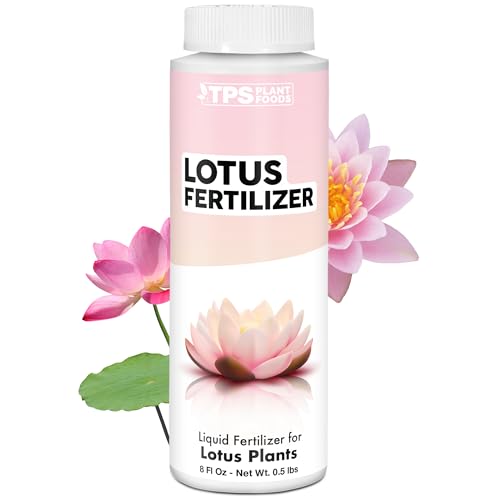
Made for Lotus & Water Plants – Formulated to support healthy growth in lotus and aquatic plants.

You might also like

Water Care: Essential for Thriving Lotus Plants
Editor’s Choice

PULACO 400GPH Submersible Pump with 5 ft Tubing, (1500L/H 25W) durable f…
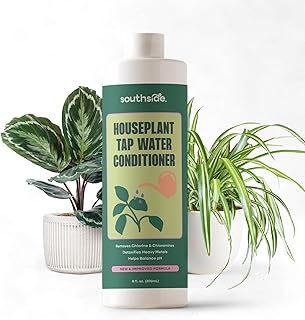
Southside Plants Tap Water Conditioner for Houseplants & Hydroponics – R…

All-New 20 in 1 Drinking Water Testing Kit 120 Strips, Home Tap and Well…
5. Fertilization Tips: Nourishing Your Lotus Plants
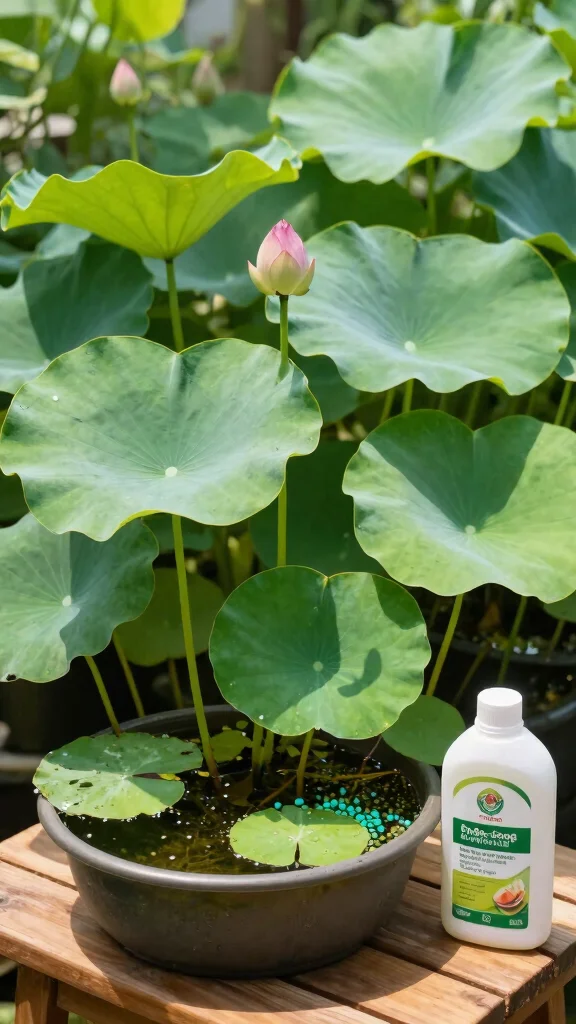
Like all plants, lotus plants thrive with the right nutrition. Begin fertilization once your lotus starts to sprout leaves, typically 3-4 weeks after planting. Use aquatic fertilizers specifically designed for lotus to ensure effective nutrient absorption.
Consider these fertilization methods:
– Granular Fertilizer: Use slow-release pellets mixed into the soil for steady nutrients over time.
– Liquid Fertilizer: Add liquid fertilizers during water changes for a quick nutrient boost.
– Monitor Growth: Watch for signs of yellowing leaves or slow growth, which may indicate nutrient deficiencies that need addressing.
A well-nourished lotus plant rewards you with vibrant blooms and lush foliage.
Fertilization Tips: Nourishing Your Lotus Plants
Editor’s Choice

2026 NEW Soil Test Kit 4-in-1 for Lawns & Gardens – 40 Tests (pH, Nitr…

API LEAF ZONE Freshwater Aquarium Plant Fertilizer 8-Ounce Bottle

Aquascape Once-A-Year Pond Plant Fertilizer, Granular Formula, 2 lb (907…
6. Dealing with Pests: Maintaining Healthy Lotus Plants
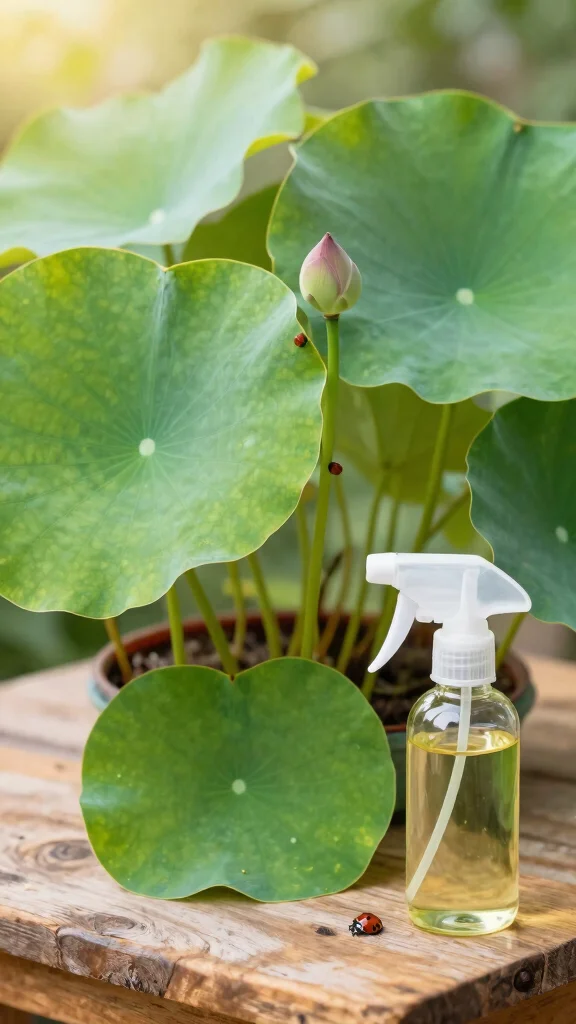
Even though lotus plants are resilient, they can still fall victim to pests like aphids, spider mites, and snails. Regularly inspecting your plants allows you to catch any infestations early.
Here’s how to manage pests effectively:
– Inspect Regularly: Examine the undersides of leaves and stems for early pest signs.
– Natural Remedies: If you spot an infestation, consider using neem oil or insecticidal soap for safe and effective treatment.
– Encourage Beneficial Insects: Attract ladybugs and other helpful insects to your garden, as they naturally control pest populations.
Keeping a watchful eye on your plants ensures they remain healthy and vibrant throughout their lifecycle.
You Might Also Like

Dealing with Pests: Maintaining Healthy Lotus P…
Editor’s Choice

Bonide Captain Jack’s Neem Oil, 32 oz Ready-to-Use Spray, Multi-Purpose …
Bonide Captain Jack’s Neem Oil, 32 oz Ready-to-Use Spray, Multi-Purpose …

Garden Safe Brand Insecticidal Soap Insect Killer, 32 Fluid Ounces, For …
7. Embracing Seasonal Care: Preparing for Fall and Winter
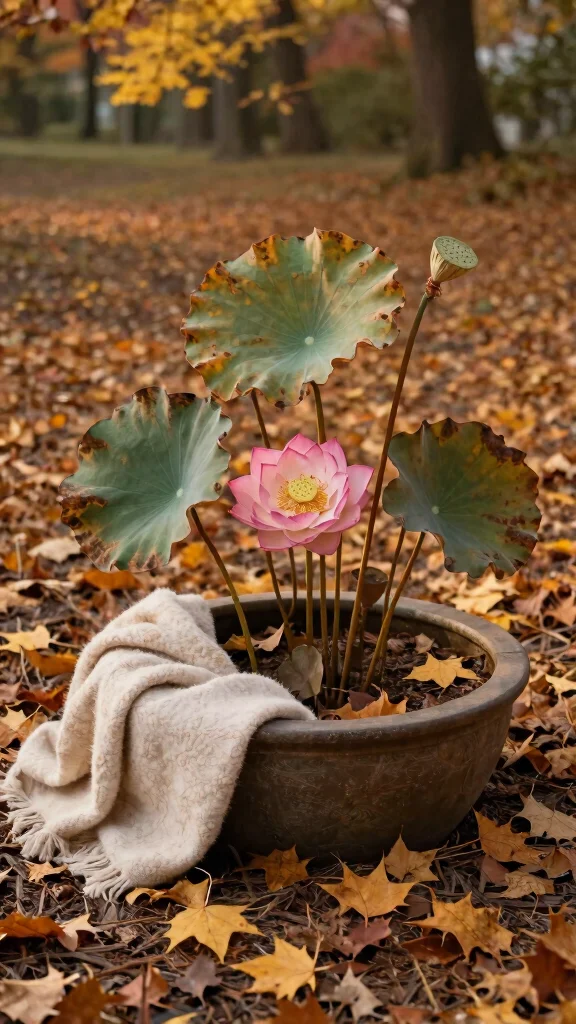
As the seasons shift, so does the care required for your lotus plants. When autumn arrives, it’s vital to start preparing for the colder months to ensure your lotus plants thrive year after year.
Here’s how to prepare:
– Cut Back Foliage: Trim back the foliage as temperatures drop to prevent decay and disease.
– Move Containers: If your lotus is in a container, consider moving it indoors or to a sheltered area to protect it from freezing temperatures.
– Insulate: For outdoor containers, add mulch or floating insulation to help maintain a stable temperature.
By taking these steps, you’ll pave the way for a successful lotus-growing season ahead, ensuring beautiful blooms in the upcoming year.
Fall is when practical care matters most for your lotus seed containers. Cut back foliage, move containers indoors before frost, and insulate—small steps that keep your lotus thriving and ready for spring.
How To Choose The Right Container for Your Lotus Seeds
Choosing the right container is crucial for the success of your lotus garden. Not all containers can support the growth of these beautiful aquatic plants. Here are some top considerations to help you select the perfect one.
1. Size Matters
The container size plays a significant role in lotus growth. Choose a pot that is at least 12 inches deep. This depth allows for root development and provides sufficient space for the lotus to thrive. If you’re planting multiple seeds, opt for a larger container to accommodate their spread.
2. Material Selection
Containers can be made from various materials like plastic, ceramics, or fiberglass. Plastic pots are lightweight and easier to move, while ceramic options add aesthetic appeal. Make sure the material can withstand outdoor conditions, as the container will be submerged in water.
3. Drainage Features
Good drainage is essential for lotus plants. Ensure your chosen container has drainage holes at the bottom. This feature prevents waterlogging, which could harm the roots. If your container doesn’t have holes, consider drilling some yourself to ensure proper water flow.
4. Weight Consideration
When filled with soil and water, containers can become quite heavy. If you plan to move your lotus garden, consider a lightweight material. This will make it easier to transport your plants should you need to relocate them.
5. Aesthetic Appeal
Your container should not only be functional but also visually appealing. Choose a design or color that complements your garden or patio. An attractive pot can enhance your outdoor space while showcasing the beauty of your lotus plants.
6. Budget Friendly
Costs can vary widely depending on the size and material of the container. Set a budget before you start shopping. You can find affordable options at garden centers or online retailers. Don’t forget to factor in the cost of soil and other materials needed for planting.
Pro Tip: If you’re unsure about size, aim for a larger container. Lotus plants can grow quite large, and starting with a spacious pot can save you from needing to transplant later on.
Now that you have a better understanding of how to choose the right container, you’re one step closer to successfully growing your lotus seeds. Remember to keep these considerations in mind as you create your aquatic garden!


Embracing Seasonal Care: Preparing for Fall and…
Editor’s Choice

Brut Organic Aspen Mulch 10 QT – Natural Moisture Retainer & Root Prot…

VIVOSUN 6.5 Inch Gardening Scissors Hand Pruner Pruning Shear with Strai…

hygger Clip On 24/7 Lighting Aquarium LED Light,Sunrise-Daylight-Moonlig…
Conclusion: Cultivating Your Lotus Dreams
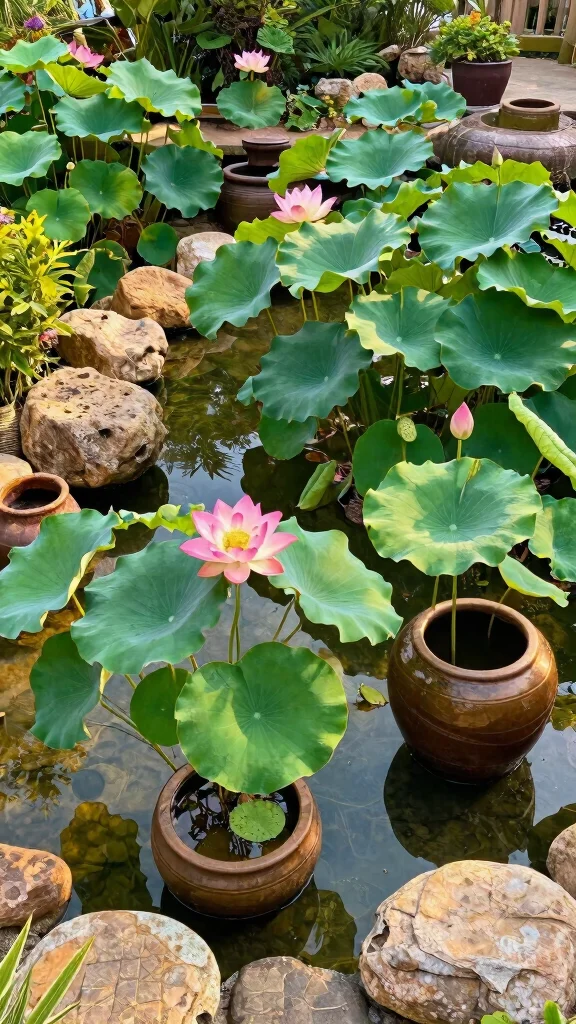
Growing lotus seeds in containers is not just a gardening task; it’s an adventure that connects you with nature. Each step, from choosing the right container to preparing for seasonal changes, brings you closer to creating a stunning aquatic haven in your home.
With patience and care, you’ll soon find yourself enchanted by the beauty of blooming lotus flowers, turning your small space into a vibrant oasis.
Remember, every garden is a work of art, and yours is no exception!
Note: We aim to provide accurate product links, but some may occasionally expire or become unavailable. If this happens, please search directly on Amazon for the product or a suitable alternative.
This post contains Amazon affiliate links, meaning we may earn a small commission if you purchase through our links, at no extra cost to you.
Frequently Asked Questions
Question: What are the best lotus seed ideas for growing one of nature’s most beautiful aquatic plants in small containers?
Growing lotus seed in small containers is totally doable with a few smart steps for aquatic gardening. Choose a wide, heavy pot (minimum 18 inches across) so the roots have space. Use a dense soil mix—heavy loam or clay works best—and fill the pot so the soil sits just below the rim. Set the container in a sunny spot that gets 6+ hours of direct sun daily, and keep water at a shallow level to start so the soil heats up. For seed propagation techniques, soak lotus seed in warm water until they crack and sprout (about 1–3 days), then plant the seed with the tapered end down. As leaves emerge, slowly raise the water depth to about 4–6 inches above the soil, and feed lightly with a fertilizer suitable for pond plants. With time, you’ll have a striking centerpiece in your aquatic gardening setup.
Question: How can I propagate lotus seeds using practical techniques in containers?
Yes—lotus seeds can be propagated in containers using simple, reliable techniques. Start by sourcing fresh lotus seed pods and cleaning the seeds. Soak them in warm water (about 80–90°F / 27–32°C) for 1–3 days until they crack and sprout. Once a tiny root and shoot appear, gently plant the seed into a shallow container of heavy soil or clay mix, with the pointy end facing up. Keep the soil barely moist and place the pot in a warm, sunny spot or under a greenhouse light. When the seedling shows its first true leaves, gradually move the pot to a larger container or pond area so the water depth can be increased. This approach follows practical seed propagation techniques used by many aquatic gardening enthusiasts and works well in small spaces.
Question: What are essential lotus plant care tips for water garden ideas in small spaces?
For reliable lotus plant care in a compact water garden, start with steady sun, stable water, and clean beds. Ensure your container sits in full sun (6+ hours). Use high-quality soil and avoid pond chemicals that harm lotus. Maintain water depth so the soil is just covered at planting, then gradually raise to about 4–6 inches as growth progresses. Feed with a slow-release pond fertilizer every 4–6 weeks during the growing season. Monitor for algae and pests, and consider a light shade net during peak sun to prevent heat stress. In winter, if temperatures drop below 50°F (10°C), move potted lotus indoors or to a frost-free area. This is practical pond plants care.
Question: Can I start lotus seeds indoors before placing them in a container or pond, and what timing should I use?
You can absolutely start lotus seeds indoors to speed germination and extend the season. Use a warm, sunny spot or grow lights to keep temperatures around 80°F (27°C). Start seeds in a shallow tray with damp soil or in small pots with soil. When seedlings form true leaves, gradually acclimate them to outdoor conditions and transplant into a container or pond. Timing: begin indoors 8–12 weeks before your last frost date and plan to move outdoors after danger of frost has passed. This approach aligns with seed propagation techniques and good aquatic gardening practices for container lotus.
Question: What common mistakes should I avoid when growing lotus seeds in containers?
Avoid these common mistakes when growing lotus seeds in containers: using a pot that’s too small, which stunts root growth; letting water be stagnant or too shallow, which stresses the plant; using light, porous soil that compacts and harms roots; not providing 6+ hours of sun; neglecting to warm seeds for germination or failing to acclimate young plants to outdoor conditions; skipping regular fertilization or over-fertilizing; and failing to winterize in cold climates. Fixing these ensures your lotus seed happily thrives among pond plants in aquatic gardening setups.
Related Topics
lotus seeds
aquatic gardening
container gardening
lotus plant care
water garden ideas
seed propagation
easy gardening
small space plants
pond plants
beginner friendly
DIY water garden
seasonal gardening