
Growing your own food brings a special joy, and this time of year, I can’t help but crave the sweetness of homegrown carrots. There’s simply nothing like the crunch of a freshly harvested heirloom carrot, straight from your garden. If you’ve ever felt the thrill of digging into the earth to find a hidden treasure or the satisfaction of serving your family veggies you’ve nurtured yourself, this post is just for you.
This guide is for anyone who loves the idea of vegetable gardening, especially those eager to learn how to plant carrots from seed. Whether you’re a novice gardener or someone looking to brush up on your skills, you’ll find practical tips to make your carrot-growing experience fruitful and rewarding. I pulled together seven essential tips that will help you grow sweet, vibrant carrots, ensuring you have an abundant harvest to enjoy all season long.
Here’s what you can expect: actionable advice on choosing the right heirloom varieties, preparing your soil, mastering seed germination methods, and much more. You’ll be armed with the knowledge to grow delicious carrots that will impress your family and friends while enhancing your own healthy meals.
Key Takeaways
– Selecting the right heirloom carrot varieties is crucial for flavor and quality. Choose those that thrive in your growing zone for the best results.
– Preparing your soil properly lays the groundwork for healthy carrot growth. Focus on loose, well-draining soil with the right pH level and plenty of nutrients.
– Understanding seed germination methods can significantly impact your success. Start seeds indoors or outdoors based on your climate and ensure they are sown at the right depth.
– Watering smartly is essential for carrots. Consistent moisture prevents cracking and promotes even growth, so keep an eye on your watering schedule.
– Timing your harvest correctly ensures that you enjoy the sweetest carrots possible. Monitor their size and taste them before pulling the whole batch to ensure optimal flavor.
Recommended Products

Sweet Scarlet Nantes Roots - Grow orange, nearly coreless carrots with a tender bite and classic cylindrical shape. Harvest roots around 6-7 inches for fresh garden snacks, salads, roasting, soups and juicing.
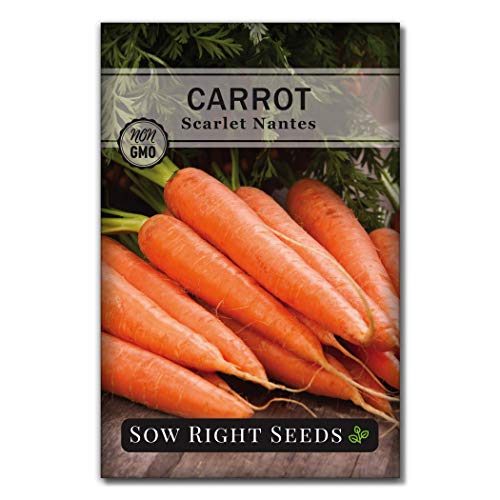
Beautiful - Full color packet of Scarlet Nantes Carrot (Daucus var. 'Scarlet Nantes') Seed. Bright red-orange, fine-grained brittle flesh that is nearly coreless with a fine very sweet flavor. Colors up early for little mini baby carrots. Minimum of 800 mg per packet (about 450 seeds).

RELIABLE HEIRLOOM VARIETY - Classic Danvers 126 Half-Long carrots deliver uniform roots with rich, sweet flavor and deep orange color for everyday meals and long-term storage
1. Choose the Right Heirloom Varieties

Are you ready to grow delicious carrots that stand out in flavor and color? Choosing the right heirloom varieties can make all the difference in achieving a sweet and plentiful harvest. With options like ‘Danvers’, ‘Nantes’, and ‘Purple Haze’, you can enjoy unique tastes and vibrant hues that will delight your palate and garden. These heirloom carrots not only pack a punch in flavor but also provide essential nutrients to boost your health.
When selecting your seeds, think about your growing conditions. If your season is short, go for quick-maturing types like ‘Nantes’. Adding radish-like varieties can spice up your garden and enhance your harvest. Local seed banks and farmers’ markets are treasure troves for unique heirloom seeds that thrive in your area.
Always purchase from reputable sources to ensure healthy seeds. Quality seeds lead to robust plants, setting the stage for a fruitful vegetable garden.
Recommended Products

Upgraded with Adjustable Ventilation - Gardzen seed starter tray has been newly upgraded with two air vents added to the top, allowing you to easily adjust the ventilation for optimal seed growth. Say goodbye to stagnant air and hello to thriving plants!

Graphene Seed Heat Mat for Faster Germination: Compared to traditional electric heating mats, our graphene heat mat heats up faster and more evenly, with a built-in timer for convenience. It creates the ideal environment for indoor seed starting trays, greenhouse seed germination, and hydroponic plant propagation. Designed for indoor gardening, this waterproof and reusable heat mat accelerates growth and improves seedling survival rates.

EASIER SEED STARTING: Our Burpee SuperSeed tray with 8 extra-large flexible pop-out cells is designed to simplify indoor seed starting. Just add seed starting mix, seeds, water and light to get growing! Perfectly sized for starting seeds in the windowsill: 11.5" x 5-3/16" x 2-1/4". Rows are labeled alphanumerically for seedling identification with included Plant-o-Gram diagram.
Choose the Right Heirloom Varieties
Editor’s Choice

Burpee SuperSeed Seed Starting Tray | 36 Cell Reusable Seed Starter Tray…


The Old Farmer’s Almanac Heirloom Carrot Seeds (Tendersweet) – Approx 26…
2. Prepare the Soil Correctly

Want your carrots to grow straight and strong? It all starts with proper soil preparation. Carrots thrive in loose, well-draining soil that lets their roots stretch deep. Begin by loosening compacted soil with a shovel or tiller, making sure to clear away rocks and debris. Check the pH; carrots prefer a slightly acidic to neutral range (6.0 to 7.0).
Add organic matter like compost to improve the soil structure and fertility. This rich addition not only supports healthy root growth but also enhances moisture retention without making the soil too heavy. Mixing in some sand creates a sandy loam texture, which carrots absolutely love!
If your garden has heavy clay soil, consider building raised beds. This simple adjustment boosts drainage and warmth, essential for carrot germination. Investing time in soil prep can transform your carrot harvest from ordinary to extraordinary!
Recommended Products

Kindly NOTE: This soil tester can not be applied to test pH value of any other liquid. If the soil is too dry the indicator will not move, and water it before testing.

Accurate Soil pH Testing: Dewildetradingco Soil pH Test Strips offer measurements of soil pH levels (pH 3.5-9). As an essential tool for every gardener and grower, these test strips help determine the optimal pH for various plants, such as outdoor plants, indoor plants, gardens, grass lawns, fruit trees, flowers, vegetables, and forest shrubs.

KNOW BEFORE YOU GROW | Grow the healthiest, sustainable lawn and garden with the most accurate and easy to use professional soil test kit on the market
Prepare the Soil Correctly
Editor’s Choice

Jardineer Hand Tiller for Gardening, Manual Twist Tiller Cultivator, Hea…

YAMRON 4-in-1 Soil Moisture Meter, Digital Plant Temperature/Soil Moistu…
3. Master the Seed Germination Methods

Eager to see those carrot seeds sprout? Successful germination is the key to a thriving harvest. Carrots can be particular about their germination needs, requiring consistent moisture and a sprinkle of patience. Plant your seeds about 1/4 inch deep, spaced a few inches apart to prevent overcrowding and ensure airflow.
Try covering your seeds with a light layer of vermiculite or fine mulch to help retain moisture while blocking out sunlight. Expect germination to take around 14 to 21 days, so keep the soil evenly moist with gentle watering to create the ideal environment.
As your seedlings emerge, thin out the weaker ones to give the stronger plants room to grow. Though it feels tough, thinning is crucial for achieving the carrots you dream of. Consider using row covers to shield young plants from pests and retain warmth, speeding up the germination process. With the right approach, you’ll soon watch your carrot seeds come to life!
Fun fact: carrot seeds germinate best with consistent moisture—keep soil evenly damp, not soggy. Even a tiny dry spell can delay sprouting by a week. Cover seeds with a light layer of vermiculite to lock in moisture and boost germination.
Recommended Products

[ GOOD WATER SEEPAGE ]: Terra cotta plant watering spikes are made of terracotta, it can seep water automatically and has good water seepage. When the soil is dry, it will automatically seep water, until the gaps in the soil are filled and the seepage will stop, keeping the soil moist.

2 Zone Independent Watering: This indoor plant watering system features a 2 zone independent watering design, capable of watering up to 30 potted plants at once. With a high flow rate of 0.15 GAL/min, it efficiently delivers ample water to all your plants—whether you’re working from home, traveling for business or pleasure, or simply busy with work.

【 Powerful Water Pump 】This plant irrigation system is equipped with two separate pumps that water potted plants in groups.Equipped with 20 watering posts and taking care of 20 plants at the same time. Embrace convenience, cultivate your plants flourish in an unprecedented fashion.
Master the Seed Germination Methods
Editor’s Choice
XLUX Long Probe Deep Use Soil Moisture Meter Sensor, Water Monitor Indic…

Back to the Roots 100% Organic Vermiculite | Made in the USA | Premium N…

VIVOSUN Durable Waterproof Seedling Heat Mat 10″ x 20.75″ UL & MET-Certi…
4. Water Smartly

Looking to cultivate juicy, sweet carrots? Consistent watering is essential. Carrots require steady moisture, especially during germination and early growth stages. Aim for deep watering once a week instead of light daily sprinkles, encouraging roots to grow deeper and access moisture more effectively.
Using a soaker hose or drip irrigation can help maintain even moisture levels while minimizing the risk of over-saturating the soil. Test the soil moisture by sticking your finger about an inch deep; if it’s dry, it’s time to water!
As your carrots mature, focus on watering at the base to avoid wetting the foliage, which can lead to fungal issues. Adding mulch around your carrots helps retain moisture, reduces weeds, and keeps soil temperature stable. Smart watering techniques will ensure your carrots thrive!
Recommended Products


3,750 PREMIUM SEEDS: Includes 3,750 high-quality Tendersweet Carrot seeds, selected for dependable germination and abundant yields of smooth, vibrant orange roots prized for their exceptional sweetness.

Imperator 58 Heirloom Carrot: Daucus carota - the classic 8-10 inch long, sweet, crisp carrot with smooth tapered roots. Open-pollinated since 1963; perfect for snacking, juicing, roasting, and winter storage.
Water Smartly
Editor’s Choice

XLUX Long Probe Deep Use Soil Moisture Meter, Water Monitor Indicator Se…

MIXC 230FT Quick-Connect Drip Irrigation System Kit, Automatic Garden Wa…

Soaker Hose 100FT, Thickened Flat Soaker Hoses For Garden 100 ft 2 pack,…
5. Implement Pest Control Techniques

Want to protect your carrot harvest from pesky invaders? Effective pest control is a must. Carrots can be targeted by pests like aphids, carrot flies, and wireworms, which can harm both yield and quality. Companion planting is a great strategy; mix carrots with herbs like dill, cilantro, or parsley to deter pests while attracting beneficial insects.
Covering your carrot rows with fine mesh netting is another reliable method to physically block pests from reaching your plants. Regularly inspect for signs of damage, as early detection can save your crop from major losses.
If you prefer organic options, consider using insecticidal soap sprays or neem oil. These natural remedies are effective yet safe for beneficial insects. Keeping your garden tidy by removing dead plant matter also minimizes pest habitats. With proactive pest management, your carrots will grow strong and stay delicious!
Recommended Products

Carrot seeds garden seeds vegetable seeds bulk

Daucus Carota Sub. Sativus: These finest quality, non-GMO, organic Scarlet Nantes Carrot seeds produce sweet, red-orange carrots with a big crunch. Coreless with fine-grained flesh, they’re ideal for juicing, snacking and cooking.

Beautiful - Full color packet of Danvers 126 Carrot seeds (Daucus var. 'Danvers'). Dependable, well known standard variety that produces 6-8" tapered carrots. Optimized for cooler temperatures, these seeds offer an ideal opportunity to extend your growing season and maximize yield. Versatile and delicious choice for any garden. Minimum of 800mg per packet (about 650 seeds).
📹 Related Video: How to Control Carrot Weevil
Implement Pest Control Techniques
Editor’s Choice

10 X 50FT Garden Mesh Netting Barrier,Fruit Tree Plant Netting for Veget…

BioAdvanced Organics Brand Tomato, Vegetable & Fruit Plant Bug Spray, Re…

Companion Plant Seeds 5 Variety Collection for Planting – Basil, Borage,…
6. Harvest at the Right Time

Excited for the moment you can harvest your carrots? Timing is everything! Carrots are ready when they reach about 1 inch in diameter, but you can pull them once the tops are visible. For sweeter flavors, consider waiting until after the first frost, which converts starches into sugars.
Gently pull the carrots from the soil, taking care not to break them. If needed, use a garden fork to loosen the soil around them. Properly prepared soil will make this step easy!
Once harvested, wash your carrots in cool water to remove dirt and let them dry in a shaded area. Store them in a cool, dark place with high humidity, or wrap them in a damp cloth in the refrigerator for freshness. Enjoying the fruits of your labor is incredibly satisfying, especially when they’re sweet, homegrown carrots!
Fun fact: carrots reach peak sweetness when harvested after the first frost, converting starches to sugars—usually a 5–10% boost in sugar content. Planting carrots from seed with patience pays off in sweeter, crunchier roots.
Recommended Products

Pro Grow Lights with Advanced Chips: Equipped with 56 high-efficiency beads per tray, these LED strips simulate natural sunlight for optimal seedling growth. Adjustable brightness and timer functions let you customize lighting for every plant stage, promoting faster, healthier growth—perfect for herbs, flowers, and more

Self-Watering System: No more over-watering or under-watering! You won't need to water frequently. The bottom of the seedling tray and capillary mat maintain ideal humidity, preventing over-watering or soil drying out. This promotes healthy root development, saves time and effort, and allows you to enjoy the fun of planting with ease.

INDOOR SEED STARTING KIT: Complete growing set includes two 36-cell planting trays, one water reservoir tray, 72 super growing pellets, and a dome greenhouse cover. An easy and efficient way to start seeds indoors! Use to grow your favorite herbs, vegetables and flowers.
Top Varieties for Different Conditions
1. Nantes Carrot
– Best conditions: Prefers cooler climates and thrives in well-drained soil.
– Key features: Nantes carrots are known for their sweet flavor and smooth texture. They have a cylindrical shape, making them perfect for fresh eating or salads.
– Considerations: They require consistent moisture and may struggle in overly sandy soils.
2. Chantenay Carrot
– Best conditions: Ideal for heavier soils and cooler temperatures.
– Key features: Chantenay carrots are short and stout, making them perfect for clay soils. They offer a sweet taste and are great for cooking or juicing.
– Considerations: These varieties can be prone to splitting if watered improperly.
3. Danvers Carrot
– Best conditions: Thrives in various climates, especially in moderate to warm areas.
– Key features: Danvers carrots are versatile and disease-resistant. They have a robust flavor and long storage potential, making them a gardener’s favorite.
– Considerations: Ensure they have enough room to grow, as they require deep soil.
4. Purple Haze Carrot
– Best conditions: Grows well in full sun and well-draining soil, suitable for a range of climates.
– Key features: This heirloom variety boasts a striking purple color. They are rich in antioxidants and have a sweet, earthy flavor.
– Considerations: Their unique color may fade if grown in too much shade.
5. Atomic Red Carrot
– Best conditions: Prefers cooler growing conditions with plenty of sunlight.
– Key features: Atomic Red carrots stand out with their vibrant red color. They are known for their high levels of lycopene, making them a healthy option.
– Considerations: They may require extra care to prevent pests due to their sweet flavor.
6. Imperator Carrot
– Best conditions: Best in loose, sandy soils in moderate climates.
– Key features: These carrots grow long and slender, ideal for fresh consumption. Their crunchy texture is perfect for snacking.
– Considerations: They need consistent watering to develop properly and avoid becoming woody.
7. Yellowstone Carrot
– Best conditions: Thrives in full sun and well-drained soil, suitable for warmer climates.
– Key features: Yellowstone carrots are a unique heirloom variety that has a bright yellow color and a sweet flavor. They are perfect for adding color to your plates.
– Considerations: These carrots may take longer to mature compared to orange varieties.
Climate/Condition Guide:
– For temperate climates, most varieties like Nantes and Danvers will do well. They thrive in moderate temperatures and offer excellent flavor.
– In humid conditions, varieties like Chantenay and Atomic Red are resistant to diseases and pests, making them ideal choices.
– For hot/dry areas, consider growing Imperator and Yellowstone carrots. These varieties need less moisture and can handle the heat better.
– In continental climates, where winters are cold, opt for Nantes or Danvers carrots that can be harvested late into the season.
– If you’re near the coast, choose varieties that handle humidity well, like Purple Haze, which has a good resistance to root rot.
Growing Tips:
– Ensure your soil is loose and well-draining. Carrots grow best when they have the space to develop their roots without obstruction.
– Regularly check for pests and weeds, as they can hinder growth. Early detection is key to keeping your carrots healthy and abundant!
Avoid:
– Don’t plant carrots in compacted soil, as this will affect their growth and shape.
– Avoid overwatering, as too much moisture can lead to root rot and splitting.
Recommended Products

Built For Fast, Even Drainage: Volcanic ash and porous perlite create air pockets that let water move through quickly instead of pooling around the roots, while still holding just enough moisture for hydration between waterings.
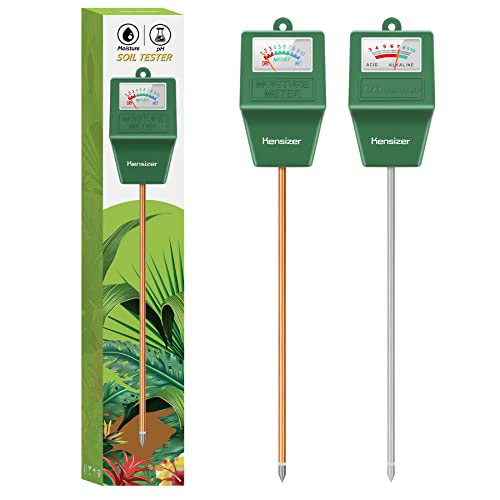
Moisture/pH Testers in One Set - Clear reading dashboard with arrow pointer, wide scale interval, and large number. Lightweight and portable, making it convenient for on-the-go testing.

🌱 ALL NATURAL MIX Suitable For Use On Edible Plants like FRUITS & VEGETABLES
Harvest at the Right Time
Editor’s Choice

Fiskars Ergo Cultivator for Digging, Aerating Soil, and Weeding, Heavy D…
7. Experiment with Storage Techniques

After harvesting those sweet carrots, knowing how to store them can keep them fresh longer. One effective method is to place them in a bucket of moist sand in a cool, dark location. This technique maintains humidity and crunchiness. Alternatively, you can use perforated plastic bags in the refrigerator to keep them fresh for weeks.
For long-term enjoyment, consider freezing your carrots. Blanch them in boiling water for a few minutes, then quickly immerse in ice water to halt cooking. Once cooled, drain and pack them in airtight containers or freezer bags. This way, you can savor your homegrown carrots throughout the winter months!
Experimenting with different storage methods helps you find what works best for your home and climate. The goal is to relish the delightful flavors of your garden harvest long after pulling them from the soil!
Fun fact: after harvesting, carrots can stay crisp for weeks if stored in a bucket of moist sand in a cool, dark spot. When you’re planting carrots from seed, this simple technique keeps sweetness intact longer than fridge-only storage.


Experiment with Storage Techniques
Editor’s Choice

Extra Large Mesh Produce Bags 60 lbs Reusable Onion Sacks Vegetable Stor…

ExcelSteel 8 Qt Multifunction Stainless Steel Pasta Cooker with Encapsul…

Mosser Lee ML1112 Black Sand Soil Cover, 5 lb.
Conclusion

Growing carrots from seed can be an incredibly rewarding experience, especially when you savor the sweet flavors of your own homegrown harvest. By selecting the right heirloom varieties, prepping your soil, mastering germination techniques, and implementing effective watering and pest strategies, you’re well on your way to abundant, tasty carrots. As you experiment with storage and enjoy the fruits of your labor, you’ll find that every bite is worth the effort!
So, gather your seeds and tools, and let the gardening adventure begin!
Note: We aim to provide accurate product links, but some may occasionally expire or become unavailable. If this happens, please search directly on Amazon for the product or a suitable alternative.
This post contains Amazon affiliate links, meaning we may earn a small commission if you purchase through our links, at no extra cost to you.
Recommended Products

Sweet Table Carrot Variety TenderSweet carrots develop smooth, tapered orange roots known for their mild sweetness and tender texture commonly used for fresh eating and cooking.

Olive & Vine Carrot Flakes come in a reusable shaker jar, useful for garnishing any meal

GranAroma Carrot Flakes come in convenient packaging options for easy pantry storage
Frequently Asked Questions
When is the best time to plant carrots from seed in a home garden?
Timing depends on your climate. In most regions, sow carrots from seed in early spring as soon as the soil can be worked and there’s no danger of hard frost. You can also plant a fall crop by sowing in late summer for a cool-season harvest. Carrot germination loves soil around 60–70°F (15–21°C); very cold or hot soils can slow it down. Prepare a fine, weed-free seedbed, sow in shallow rows, and cover with about 1/4 inch of soil. Keep the bed evenly moist with a soaker hose or sprinkler until germination happens. Once true leaves appear, thin to 2–3 inches apart to give roots room to form. For steady harvests, use succession sowings every 2–3 weeks. This aligns with your carrot planting guide goals and works well with organic heirloom varieties.
How can I ensure even germination and avoid patchy carrot stands when planting from seed?
Patchy germination usually means the soil isn’t fine enough or moisture isn’t steady. Do this: loosen and smooth a weed-free bed with a fine texture; sow very thinly or use pelleted/seed-tape carrots for even distribution; cover lightly with 1/4 inch of soil and press gently; water with a dripping or mist irrigation to keep the topsoil consistently moist during germination. You can also soak seeds for a few hours before sowing or use pelleted seeds to control spacing. When sprouts appear, thin to 2–3 inches apart to let roots size correctly. This approach aligns with seed germination methods and gives you a dependable carrot planting guide.
What are the best organic heirloom carrot varieties for flavor and storage in home gardens?
Choose organic heirloom varieties with classic sweetness and good storage. Some reliable options for home gardens include: Nantes Scarlet and Nantes Half Long for tender, sweet roots; Danvers 126 for sturdy, deeply colored roots that store well; Chantenay Red Core for short, robust roots in heavier soils; St. Valery for old-world flavor and reliable storage; and Royal Chantenay as a flavorful, storage-friendly option. When selecting, look for varieties noted as long-term storage or high sugar content, and favor organic seed suppliers to keep those heirloom traits. Plant several varieties to compare flavor and performance in your own garden.
What soil and watering practices maximize carrot sweetness and harvest yield?
Carrots love a loose, well-drained bed. Aim for sandy loam with a pH of about 6.0–6.8 and amend with compost before planting. Avoid heavy clay that causes forked roots. Keep soil consistently moist from germination through harvest; use drip irrigation or a soaker hose and mulch with straw to regulate moisture and temperature. Water deeply rather than frequent, light sprays to encourage long, straight roots. For easier growing, consider raised beds if your native soil is clay or very wet. These are classic growing carrots tips and fit every vegetable gardening techniques approach.
How and when should I harvest carrots for best flavor and storage, and what common mistakes should I avoid?
Harvest when roots have reached your preferred size—baby carrots can be pulled early, while full-size roots are usually ready when they’re thick and firm. For storage, pick before the ground freezes, but after they’ve colored. Gently loosen the soil around each root and lift with a fork to avoid breaking roots. Remove greens to prevent moisture loss, and brush off soil rather than washing if you plan to store longer. For storage, keep roots in a cool, humid space (cold fridge works) or pack them in damp sand in a root cellar. If you leave roots in the ground too long in warm weather, they can become woody and lose sweetness. This is part of solid carrot harvest strategies you’ll use in home gardens.
Related Topics
planting carrots
heirloom varieties
organic gardening
vegetable gardening
carrot seed tips
germination methods
harvesting carrots
beginner friendly
home garden techniques
seasonal planting
sweet carrots
easy gardening